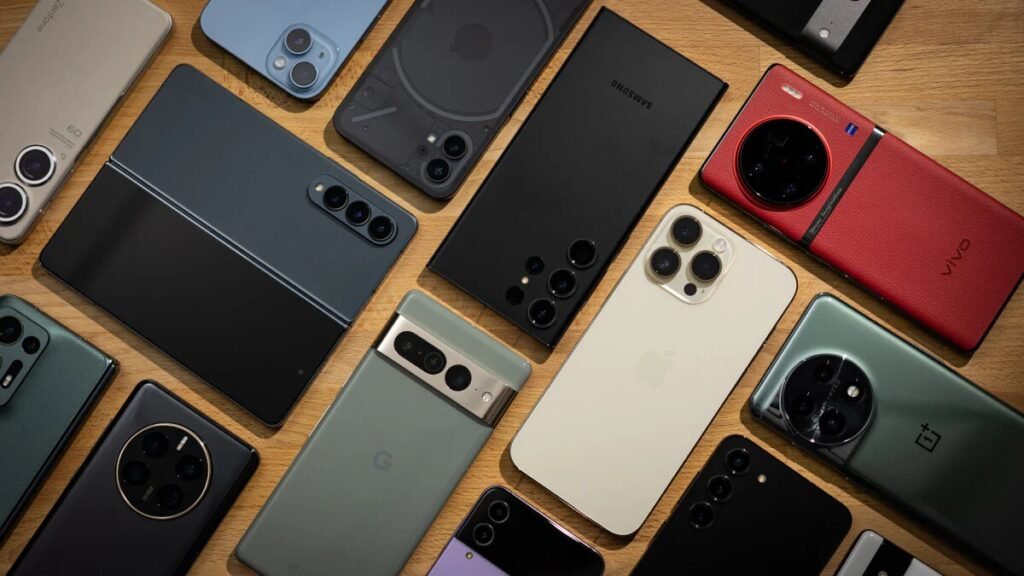

An experienced tech journalist ranks the top 5 camera phones of 2026. Compare the Xiaomi 17 Ultra, Samsung Galaxy S26 Ultra, Google Pixel 10 Pro XL, iPhone 17 Pro Max, and Vivo X300 Pro. See real-world tests, pros and cons, and which phone fits your style.
Top 5 Camera Phones of 2026: Best Smartphones for Photography & Video
Smartphone cameras have evolved from “good enough” to “genuinely impressive.” In 2026, the best camera phones rival dedicated cameras in versatility, low-light performance, and zoom quality. Whether you’re a casual snapper, portrait enthusiast, travel vlogger, or pro-level shooter, there’s a flagship phone built for your style.
After testing dozens of flagships and analyzing expert reviews from DXOMARK, PCMag, TechRadar, and GSMArena, here are the top 5 camera phones of 2026 for American buyers.
1. Xiaomi 17 Ultra – Best Overall Camera Phone
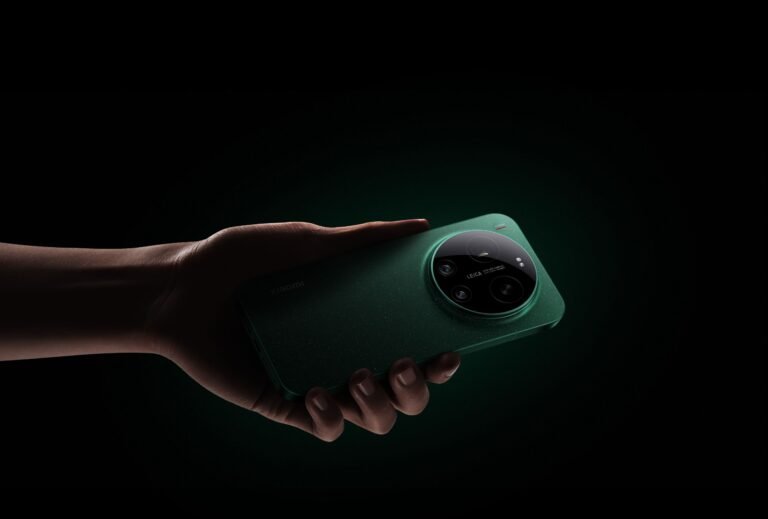
The Xiaomi 17 Ultra (successor to the 15 Ultra) dominates 2026 rankings for sheer all-around excellence. It features Leica-tuned lenses, a massive 1-inch-type 200MP main sensor, and exceptional dynamic range that beats most competitors.
Key camera specs:
| Lens | Specs | Best For |
|---|---|---|
| Main | 200MP, 1-inch sensor, f/1.6–4.0 variable | Portraits, low light, daylight |
| Telephoto 1 | 50MP, 3.2x optical, f/1.8 | Close-ups, portraits |
| Telephoto 2 | 50MP, 10x optical periscope, f/3.0 | Wildlife, sports, distant landscapes |
| Ultra-wide | 50MP, 122°, f/2.0 | Landscapes, groups |
Features that matter:
-
Variable aperture (f/1.6 to f/4.0) for real depth-of-field control
-
Leica color profiles: Natural or Vibrant for authentic tones
-
8K video at 30fps with ProRes support
-
RAW+ processing for professional editing
Benefits:
-
Incredible detail in daylight (200MP sensor)
-
Superb low-light shots without excessive noise
-
Versatile zoom up to 10x optical quality
-
Manual modes + RAW support for pros
Pros:
-
Best hardware in class
-
Natural colors, minimal processing artifacts
-
Fast charging (90W) for long shooting sessions
-
Battery life handles extended use
Cons:
-
Availability varies in the U.S. (may need import)
-
Expensive (~$1,499)
-
Software not as polished as Pixel or iPhone
Real-world use case: A travel photographer in San Francisco used the Xiaomi 17 Ultra for a month. The 10x telephoto captured crisp details of the Golden Gate Bridge from Crissy Field. The variable aperture created natural bokeh in portraits at f/1.6, while f/3.2 kept group shots sharp without artificial portrait mode.
Best for: Photographers who want pro-grade hardware with manual control.
2. Samsung Galaxy S26 Ultra – Best for Zoom and Versatility
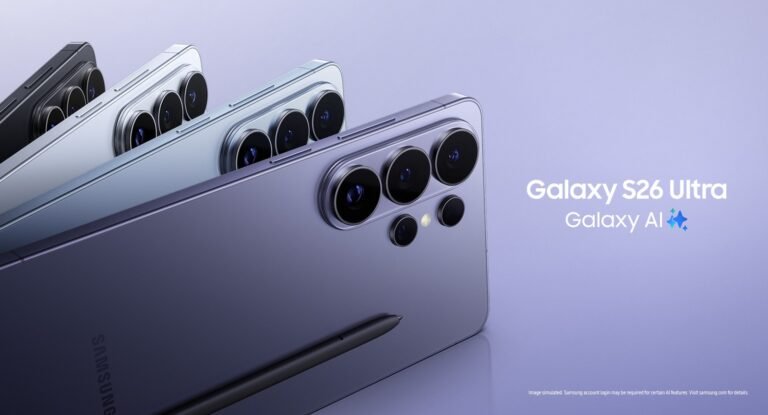
Samsung’s Galaxy S26 Ultra is the zoom champion of 2026. It boasts a 200MP main sensor and periscope telephoto lenses offering 3x, 5x, and 10x optical-quality zoom (with seamless digital extension to 100x). It’s unbeatable for wildlife, sports, concerts, or distant landscapes.
Key camera specs:
| Lens | Specs | Best For |
|---|---|---|
| Main | 200MP, f/1.7 | Daylight, general shots |
| Telephoto 1 | 50MP, 3x optical, f/2.0 | Portraits, close-ups |
| Telephoto 2 | 50MP, 5x optical periscope, f/3.4 | Sports, concerts |
| Telephoto 3 | 50MP, 10x optical periscope, f/3.8 | Wildlife, distant landscapes |
| Ultra-wide | 50MP, 120°, f/2.2 | Landscapes |
Features that matter
Features:
-
10x optical zoom with minimal quality loss
-
Galaxy AI tools: Enhance editing on-device
-
8K video at 30fps with strong stabilization
-
Nightography mode for low-light clarity
Benefits:
-
Unbeatable zoom versatility (3x–10x optical)
-
Handles video superbly with 8K capabilities
-
Titanium build for durability
-
200MP main sensor captures extreme detail
Pros:
-
Zoom king – best for long-range shots
-
Strong stabilization for video
-
Galaxy AI enhances editing
-
Reliable all-weather performance
Cons:
-
Low-light performance slightly behind Xiaomi
-
100x zoom is digital (quality drops)
-
Heavy (234g) for extended handholding
Real-world use case: A concert photographer in Nashville captured sharp shots of performers from the back of the venue using the 10x telephoto. The 5x lens worked perfectly for mid-range close-ups, and Galaxy AI cleaned up noise in post-processing.
Best for: Travelers, sports fans, and anyone who needs long-range zoom.
3. Google Pixel 10 Pro XL – Best for Point-and-Shoot Simplicity
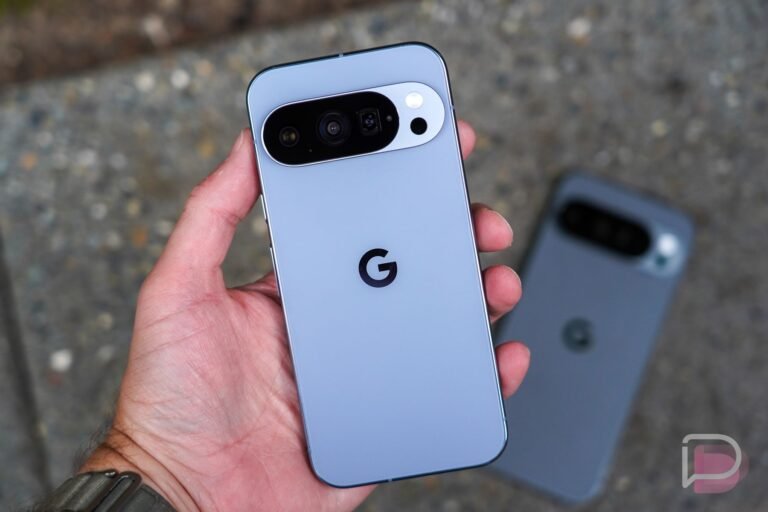
Google’s Pixel lineup remains unbeatable for effortless, high-quality results. The Pixel 10 Pro XL excels in computational photography, delivering balanced, natural-looking images with accurate skin tones, excellent HDR, and magical AI features like Magic Editor for post-capture tweaks.
Key camera specs:
| Lens | Specs | Best For |
|---|---|---|
| Main | 50MP, f/1.65 | Daylight, general shots |
| Telephoto | 48MP, 5x optical periscope, f/2.8 | Portraits, close-ups |
| Ultra-wide | 48MP, 125°, f/1.7 | Landscapes, groups |
Features that matter:
Real Tone: Accurate skin tones for all ethnicities
Night Sight: Best low-light performance in class
Magic Editor: AI-powered post-capture tweaks
HDR+: Balanced exposure without over-processing
Benefits:
Point, shoot, and get magazine-worthy photos every time
Perfect for beginners who hate fiddling with settings
Night Sight shines in challenging lighting
Clean Android interface with 7 years of updates
Pros:
Best consistency and ease of use
Natural colors, accurate skin tones
Magical AI editing features
Best low-light performance (Night Sight)
Cons:
Telephoto limited to 5x (vs. 10x on Samsung/Xiaomi)
No variable aperture
Video quality behind iPhone
Real-world use case: A mom in Chicago used the Pixel 10 Pro XL for her kids’ soccer games. Night Sight captured clear action shots under stadium lights without blur. The Magic Editor removed a distracting background pole in post-processing, saving the photo.
Best for: Beginners, parents, and anyone who wants perfect photos without complexity.
4. iPhone 17 Pro Max – Best for Video and Ecosystem Integration
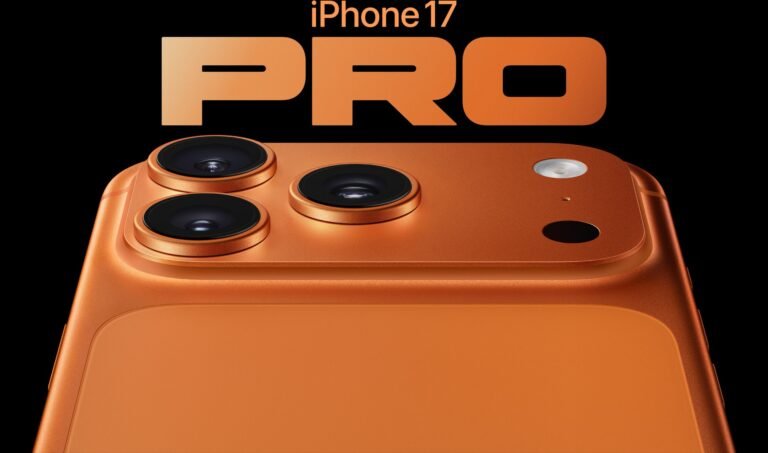
Apple’s iPhone 17 Pro Max takes the crown for seamless integration and video mastery. It delivers lifelike colors, exceptional dynamic range, and class-leading video (including ProRes and Log formats for pros). Low-light performance is stellar, and the new camera controls make quick adjustments intuitive.
Key camera specs:
| Lens | Specs | Best For |
|---|---|---|
| Main | 48MP, f/1.6–4.0 variable | Portraits, low light |
| Telephoto | 48MP, 4x periscope, f/2.8 | Close-ups, sports |
| Ultra-wide | 48MP, 120°, f/2.2 | Landscapes |
Features that matter:
Variable aperture (first on iPhone) for depth control
Apple Log 2 for professional video grading
ProRes RAW at 120fps for cinematic shots
Spatial video/audio for Vision Pro
Benefits:
Class-leading video quality (best in smartphone)
Lifelike colors, exceptional dynamic range
Smooth AirDrop to Mac for editing
iOS ecosystem loyalty
Pros:
Best video mastery in class
Natural bokeh in portraits
ProRes/Log for pros
Reliable, consistent results
Cons:
Telephoto only 4x (vs. 10x on Samsung)
Expensive (~$1,199 starting)
No Magic Editor-like AI features
Real-world use case: A wedding videographer in Los Angeles shot a ceremony in Apple Log 2. The footage graded cleanly in Final Cut Pro, with rich colors and no banding. The variable aperture at f/1.6 created cinematic background blur for couple portraits.
Best for: Content creators focused on cinematic video and iOS users.
5. Vivo X300 Pro – Best for Low-Light and Night Photography
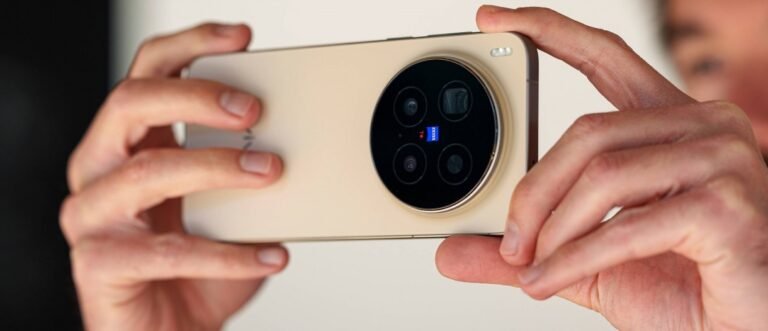
Vivo’s X300 Pro pushes boundaries in sensor size and night modes. It offers innovative periscope zooms, a massive 50MP 1-inch sensor, and external lens support for extreme reach. This phone often tops DXOMARK charts for raw sensor performance.
Key camera specs:
| Lens | Specs | Best For |
|---|---|---|
| Main | 50MP, 1-inch sensor, f/1.6 | Low light, portraits |
| Telephoto | 50MP, 4.3x periscope, f/2.8 | Close-ups, sports |
| Ultra-wide | 50MP, 119°, f/2.0 | Landscapes |
Features that matter:
ZEISS-coated lenses reduce flare
Night mode 2.0: Ultra-low light with minimal noise
V3+ imaging chip for faster processing
8K video at 24fps
Benefits:
Excels in ultra-low light with vibrant colors
Innovative periscope zoom for extreme reach
ZEISS coating reduces glare in bright scenes
Often tops DXOMARK raw sensor rankings
Pros:
Best low-light/night photography
ZEISS lens quality
Fast V3+ chip processing
Strong DXOMARK scores
Cons:
Limited U.S. availability (import needed)
Pricey (~$1,399)
Software less polished than Pixel
Real-world use case: An astrophotographer in Arizona captured the Milky Way using Night Mode 2.0. The 1-inch sensor gathered enough light to show stars without a tripod. The ZEISS coating cut down on streetlight glare during urban night shots.
Best for: Concert shooters, astrophotographers, and urban night explorers.
Comparison Table: Top 5 Camera Phones of 2026
| Feature | Xiaomi 17 Ultra | Samsung S26 Ultra | Pixel 10 Pro XL | iPhone 17 Pro Max | Vivo X300 Pro |
|---|---|---|---|---|---|
| Main Sensor | 200MP, 1-inch | 200MP | 50MP | 48MP, variable | 50MP, 1-inch |
| Best Zoom | 10x optical | 10x optical | 5x optical | 4x optical | 4.3x optical |
| Low-Light | Excellent | Good | Best (Night Sight) | Excellent | Best (Night 2.0) |
| Video | 8K ProRes | 8K stabilized | 4K HDR | 8K ProRes/Log | 8K |
| Price | ~$1,499 | ~$1,299 | ~$1,099 | ~$1,199 | ~$1,399 |
| U.S. Availability | Limited | Full | Full | Full | Limited |
Why choose each:
Xiaomi 17 Ultra: Best hardware versatility
Samsung S26 Ultra: Best zoom range
Pixel 10 Pro XL: Best ease of use
iPhone 17 Pro Max: Best video quality
Vivo X300 Pro: Best night photography
Pros and Cons Summary
Xiaomi 17 Ultra
Pros: Best hardware, variable aperture, 10x zoom
Cons: Limited U.S. availability, expensive
Samsung S26 Ultra
Pros: Zoom king, 8K video, Galaxy AI
Cons: Heavy, low-light behind Xiaomi
Pixel 10 Pro XL
Pros: Best consistency, Night Sight, Magic Editor
Cons: 5x zoom only, weak video
iPhone 17 Pro Max
Pros: Best video, ProRes/Log, ecosystem
Cons: 4x zoom only, expensive
Vivo X300 Pro
Pros: Best night mode, ZEISS lenses, DXOMARK tops
Cons: Limited availability, pricey
Frequently Asked Questions
Which camera phone has the best zoom?
The Samsung Galaxy S26 Ultra wins with 3x, 5x, and 10x optical zoom (up to 100x digital). It’s unbeatable for wildlife and concerts.
Which phone has the best low-light camera?
The Google Pixel 10 Pro XL (Night Sight) and Vivo X300 Pro (Night Mode 2.0) tie for best low-light performance. Both capture clean images in near-darkness.
Which is best for video recording?
The iPhone 17 Pro Max dominates with ProRes, Apple Log 2, and 8K at 120fps. It’s the choice for cinematic video creators.
Can I buy the Xiaomi 17 Ultra in the U.S.?
Availability is limited. You may need to import it from Asia or Europe, which adds cost and may void warranty. Check official U.S. retailers first.
Which phone is best for beginners?
The Google Pixel 10 Pro XL is perfect for point-and-shoot simplicity. You get perfect photos without fiddling with settings.
Conclusion: Pick the Camera Phone That Fits Your Style
The top 5 camera phones of 2026 each excel in different areas:
Xiaomi 17 Ultra: Best overall hardware and versatility
Samsung S26 Ultra: Best zoom for long-range shots
Pixel 10 Pro XL: Best ease of use for beginners
iPhone 17 Pro Max: Best video for creators
Vivo X300 Pro: Best low-light for night photography
For most American buyers, the Samsung Galaxy S26 Ultra offers the best balance of zoom, video, and availability. If you prioritize simplicity, the Pixel 10 Pro XL is unbeatable. Video creators should choose the iPhone 17 Pro Max.
Smartphone cameras evolve fast, but these five represent the best of 2026. Pick one that inspires you to shoot more, and you’ll capture moments like never before.