
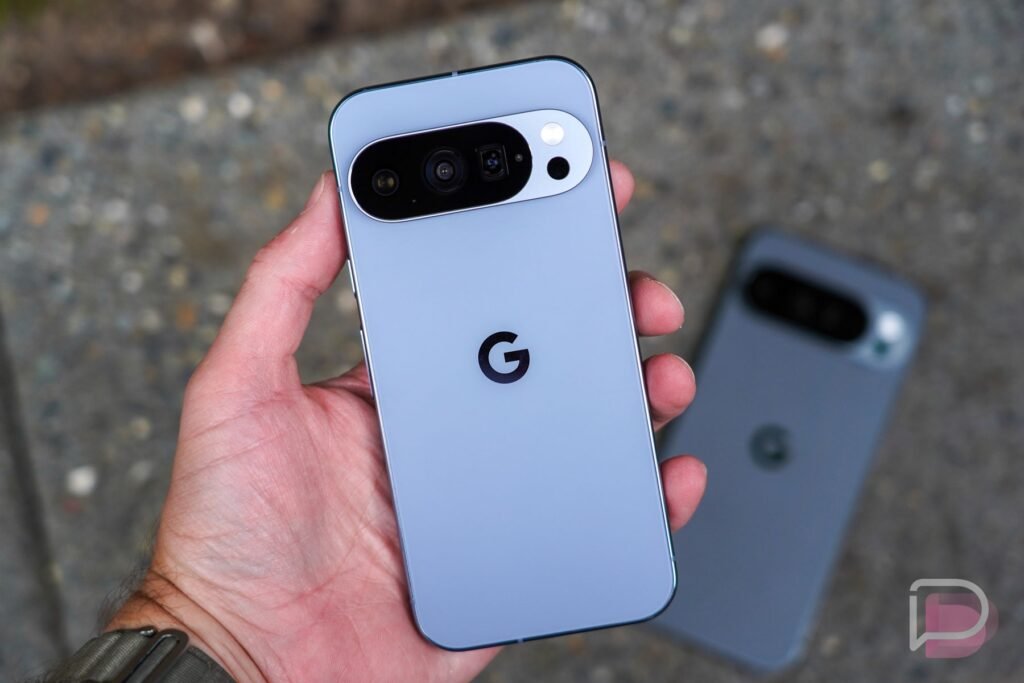

There’s a reason people keep coming back to Pixel phones every year, even when flashier options from Samsung or Apple are sitting right next to them on the shelf. It’s not the design. It’s not even the price. It’s the feeling that the phone in your hand was actually built around how people use their phones, not just how they look in a product photo.
I’ve spent real time with the current Pixel lineup, the Pixel 10, Pixel 10 Pro, and the budget-friendly Pixel 10a, and this review breaks down what’s genuinely good, what still needs work, and which model actually makes sense depending on how you live your daily life.
What Makes the Pixel Lineup Different in 2026
Google’s approach with Pixel has always been less about chasing spec-sheet bragging rights and more about software that quietly does the hard work for you. That philosophy is more obvious than ever in this generation.
Camera Performance
This is still where Pixel phones earn their reputation. Even the standard Pixel 10 now ships with a triple rear camera setup, pairing a 50MP main sensor with a 48MP ultrawide and a 48MP 5x telephoto lens. That’s a meaningful upgrade, since previous base models skipped the optical zoom lens entirely and left it exclusive to the Pro version.
In everyday use, this means you can snap a photo of your kid’s soccer game from the sidelines and still get a usable, sharp shot instead of a blurry digital zoom mess. Skin tones also continue to look natural across a range of lighting conditions, which has long been a quiet strength of Pixel’s camera processing compared to competitors that tend to oversaturate or smooth things out too aggressively.
AI Features That Actually Get Used
Google has leaned hard into on-device AI, and unlike a lot of “AI features” that exist mostly for marketing slides, several of these genuinely get used day to day. Call screening, automatic message summaries, and real-time translation during calls are the kind of features that quietly save you time without requiring you to think about them.
Battery Life and Charging
Battery life is one of the more interesting twists in this generation. The standard Pixel 10 actually carries a larger battery than the Pixel 10 Pro, which is a rare case of the cheaper phone outperforming its pricier sibling in one specific area. In daily use, that translates to comfortably getting through a full day of mixed use, including streaming, navigation, and social media, without needing a midday top-up.
Software and Long-Term Support
Every phone in the current lineup ships with clean, unmodified Android, free of duplicate apps or manufacturer skins. More importantly, Google backs every model with seven years of software and security updates. That means a Pixel 10 bought today is supported until 2032, which is a genuinely strong argument when you consider how much that extends the useful life of the phone compared to most Android competitors.
Pixel 10 vs. Pixel 10 Pro vs. Pixel 10a: Which One Should You Buy?
| Feature | Pixel 10a | Pixel 10 | Pixel 10 Pro |
|---|---|---|---|
| Starting Price | ~$500 | ~$799 | ~$999 |
| Chip | Tensor G4 | Tensor G5 | Tensor G5 |
| RAM | 8GB | 12GB | 16GB |
| Storage Options | Up to 128GB | Up to 256GB | Up to 1TB |
| Rear Cameras | Dual | Triple | Triple |
| Display | 120Hz AMOLED | Standard 120Hz | LTPO (adaptive refresh) |
| Charging | Standard wireless | Standard wireless | Pixelsnap magnetic |
The Pixel 10a is the easy recommendation if you want most of the Pixel experience without spending flagship money. The Pixel 10 is the sweet spot for most buyers, offering nearly everything the Pro model does for a few hundred dollars less. The Pixel 10 Pro earns its higher price mainly through extra RAM, more storage headroom, a more efficient display, and magnetic charging, which matters more if you’re someone who relies on MagSafe-style accessories.
Pros and Cons
Pixel 10 Pro
Pros:
- Excellent camera system across all three lenses
- More efficient LTPO display that helps battery life
- Magnetic Pixelsnap charging works with a growing accessory ecosystem
- Compact flagship option that doesn’t require two hands to use comfortably
Cons:
- Smaller battery than the standard Pixel 10, despite the higher price
- Storage and RAM upgrades come at a steep cost
- Video recording still trails the best iPhones in certain conditions
Pixel 10 (Standard)
Pros:
- Same camera hardware as the Pro models, at a notably lower price
- Bigger battery than the Pro version
- Excellent value for the features included
Cons:
- Standard display lacks the Pro’s adaptive refresh efficiency
- No magnetic charging support
- Storage tops out at 256GB
Pixel 10a
Pros:
- Strong battery life thanks to a large 5,100mAh cell
- Great camera performance for a budget phone
- Lowest price point in the current lineup
Cons:
- Older Tensor G4 chip means noticeably slower performance under heavy multitasking
- Only dual rear cameras, no telephoto lens
- Storage capped lower than the rest of the lineup
Real-World Use Cases
A parent juggling school pickups, group chats, and the occasional candid photo will get more daily value out of the Pixel 10’s bigger battery and full camera system than they would paying extra for the Pro’s display refinements.
A small business owner who’s constantly on calls and needs reliable real-time translation or transcription benefits most from the AI features baked into the whole lineup, making even the Pixel 10a a surprisingly capable work tool.
A photography enthusiast who wants the most flexibility while traveling will likely lean toward the Pixel 10 Pro, since the adaptive display and slightly more refined camera tuning show their value most clearly in varied outdoor lighting.
A college student on a tight budget who mainly uses their phone for classes, messaging, and social media will be perfectly served by the Pixel 10a, without feeling like they’re missing out on the core Pixel experience.
Frequently Asked Questions
Is the Google Pixel 10 better than the Pixel 10 Pro?
It depends on what you value. The Pixel 10 actually has a larger battery and the same core camera hardware as the Pro, making it the better value pick for most people. The Pro’s advantages, a more efficient display and magnetic charging, matter more to power users than to average buyers.
How long will a Pixel 10 series phone receive updates?
Google has confirmed seven years of OS and security updates for the Pixel 10 lineup, meaning a phone purchased in 2026 will continue receiving support through 2032.
Is the Pixel 10a worth buying instead of the standard Pixel 10?
If your budget is the deciding factor, yes. You’ll get a similar overall experience with a older chip and a less advanced camera setup, but the price difference is significant enough to make it worthwhile for casual users.
Does the Pixel camera really perform better than other Android phones?
In terms of color accuracy and skin tone reproduction, yes, this remains one of Pixel’s strongest and most consistent advantages. Video recording is the one area where some competitors, particularly recent iPhones, still hold a slight edge.
Should I wait for the Pixel 11 instead of buying a Pixel 10 now?
The Pixel 11 isn’t expected until around August 2026, and early information suggests it may be a more incremental update focused on the modem and chip rather than a major redesign. If you need a phone now, the Pixel 10 series remains a strong, fully available option rather than a compromise while you wait.
Final Verdict
The Pixel 10 lineup proves that Google understands something a lot of phone makers still miss: people don’t want more features, they want the right features done well. Whether you go with the budget-friendly Pixel 10a, the well-balanced standard Pixel 10, or the slightly more polished Pixel 10 Pro, you’re getting a phone that takes great photos, lasts through a busy day, and will keep getting updates long after most competitors have moved on.
If you want my honest take, the standard Pixel 10 is the one to beat this year. It gives up very little compared to the Pro model while saving you real money, which is exactly the kind of decision that should make choosing your next phone a lot less complicated.
Suggested Featured Image Prompt: A modern smartphone with a triple camera lens array on the back, resting on a clean white desk next to a cup of coffee and a small potted plant, soft natural lighting from a window, minimalist tech review photography style, no visible logos or brand names, shallow depth of field.