
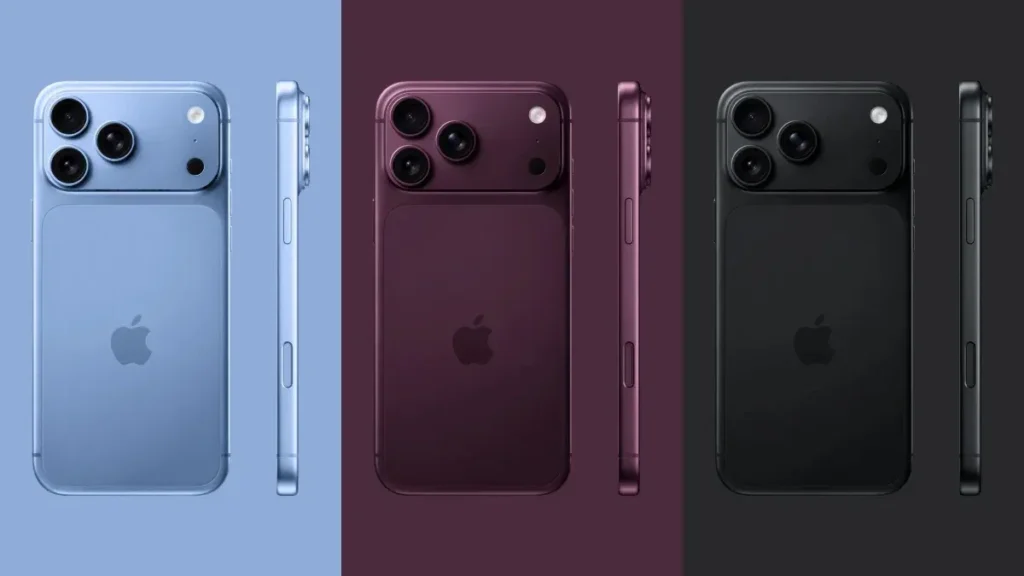

Apple just did something it hasn’t done in years: it broke its own playbook. For more than a decade, the company has dropped its entire new iPhone lineup on the same September stage, same keynote, same week of pre-orders. That’s not happening this time. The iPhone 18 generation is arriving in two separate waves, stretched across two different years, and tucked in the middle of it all is something Apple fans have been begging for since 2017: a folding iPhone.
If you’re trying to figure out when to upgrade, what you’re actually getting, and how much it’s going to cost you, here’s the most current picture based on supply chain reporting, analyst notes, and leaks from sources with a strong track record on Apple hardware. Worth saying upfront: Apple hasn’t confirmed any of this officially. Until the company actually takes the stage, treat every number here as an educated rumor rather than a locked-in fact.
Why the iPhone 18 Launch Looks So Different This Year
In past years, Apple released four phones together every September: two standard models and two Pro models. For the iPhone 18 generation, reporting consistently points to Apple splitting that lineup across two separate launch windows.
The iPhone 18 Pro, iPhone 18 Pro Max, and Apple’s first foldable iPhone are expected to launch together in September 2026, following Apple’s usual fall timing. The standard iPhone 18 and a more affordable iPhone 18e, however, are reportedly being pushed to spring 2027, possibly alongside a second-generation iPhone Air.
Why Would Apple Do This?
The most common explanation across multiple reports is strategic, not technical. Apple appears to be using the more affordable models to soften the launch of new, more expensive hardware. By giving the Pro models and the foldable their own spotlight in September, Apple keeps attention and demand focused on its highest-margin products instead of splitting coverage across four phones at once.
What This Means If You’re Shopping for a New iPhone
If you typically buy a standard, non-Pro iPhone, there’s a real chance you won’t have a new option this fall. Your choices in September will likely be limited to the Pro, Pro Max, or the foldable, all of which sit well above $1,000. If budget matters more than having the newest model the day it ships, waiting until spring 2027 may be the smarter move.
iPhone 18 Pro and Pro Max: What’s Rumored to Change
Don’t expect a dramatic redesign. The general shape, the triple-camera plateau, and the screen sizes (6.3 inches for the Pro, 6.9 inches for the Pro Max) are expected to carry over from the iPhone 17 Pro lineup. The meaningful changes are happening under the hood and around the edges of the display.
The A20 Pro Chip
The headline upgrade is Apple’s first chip built on a 2-nanometer manufacturing process, called the A20 Pro. Smaller process nodes generally mean better performance per watt, and early reporting suggests roughly 15 percent faster performance alongside about 30 percent better power efficiency compared to the current A19. That efficiency gain is reportedly behind rumors of meaningfully longer battery life on the Pro models.
A Smaller Dynamic Island
Multiple leakers, including some with strong track records on Apple’s camera and display suppliers, expect Apple to shrink the Dynamic Island by moving some Face ID components underneath the display itself. It wouldn’t disappear entirely, but it would take up noticeably less space at the top of the screen.
Camera and Modem Upgrades
Camera reporting points to a variable-aperture main lens, a feature that would let the camera physically adjust how much light it lets in, something currently exclusive to a few Android flagships. Apple is also expected to move to its second-generation in-house C2 modem, replacing Qualcomm hardware and, in theory, improving 5G stability and battery drain during cellular use.
A New Color
Multiple supply chain leaks point to a new “Dark Cherry” finish, described as a deep red with a slight purple tint, replacing the Cosmic Orange option from the iPhone 17 Pro lineup.
The iPhone Fold: Apple’s Biggest Gamble in Years
This is arguably the bigger story of the entire 2026 lineup. After years of “two years away” rumors dating back to 2017, credible reporting now suggests Apple’s first foldable iPhone is entering real production.
Design and Display
Leaks consistently describe a book-style foldable, opening like a small tablet rather than flipping like a clamshell, similar in concept to Samsung’s Galaxy Z Fold but with a wider, more iPad-like 4:3 aspect ratio. Reports point to roughly a 7.8-inch inner display and a 5.3 to 5.5-inch outer display, with Apple reportedly working hard to make the fold crease nearly invisible.
Notable Compromises
A first-generation foldable apparently comes with trade-offs. Multiple reports suggest Apple is dropping Face ID entirely on this device in favor of a side-mounted Touch ID sensor, since the True Depth camera system needs more vertical space than the ultra-thin folding design allows. There are also signs the device may skip a telephoto camera lens, a notable omission for a phone expected to cost more than $2,000.
Pricing and Availability
Estimates vary by source, but most converge on a starting price somewhere between $1,999 and $2,399 for the base storage configuration, with higher storage tiers reportedly pushing toward $2,900. That would make it the most expensive iPhone Apple has ever sold. Some analysts have suggested the Fold could ship slightly later than the Pro models, possibly in October or even December, due to the complexity of its hinge and display manufacturing.
Real-World Use Cases
A business traveler who reads contracts, juggles email, and runs two apps side by side all day might find the Fold’s larger inner display genuinely changes how they work on the go, even at a steep price. A photography enthusiast upgrading every cycle will likely lean toward the iPhone 18 Pro Max specifically for the rumored variable-aperture camera and longer battery life. A budget-conscious upgrader coming from an iPhone 14 or 15 may be better served waiting for the standard iPhone 18 in spring 2027, since it’s expected to inherit features like 120Hz ProMotion and faster charging that are already standard on current Pro models.
iPhone 18 Lineup Comparison
ModelExpected LaunchEstimated Starting PriceKey HighlightiPhone 18 ProSeptember 2026~$1,099A20 Pro chip, smaller Dynamic IslandiPhone 18 Pro MaxSeptember 2026~$1,199Largest display, longest battery lifeiPhone FoldSeptember–October 2026$1,999–$2,399+Apple’s first foldable, no Face IDiPhone 18Spring 2027~$799 (estimated)Inherits 2026 Pro-level featuresiPhone 18eSpring 2027Below standard modelApple’s budget-focused option
Pros and Cons of Apple's Split Launch Strategy
Pros:
- Pro buyers get dedicated attention and the newest chip technology first
- The foldable iPhone gets its own spotlight instead of competing for headlines
- Standard model buyers in 2027 will likely inherit refined, debugged features
Cons:
- Budget-focused shoppers have no new iPhone option this fall
- Waiting until 2027 means holding onto an older device longer
- A staggered lineup makes comparison shopping more confusing for casual buyers
Frequently Asked Questions
When exactly is the iPhone 18 launching? The iPhone 18 Pro, Pro Max, and the foldable iPhone are expected in September 2026. The standard iPhone 18 and iPhone 18e are rumored for spring 2027. Apple has not confirmed any official dates.
Will the iPhone 18 Pro cost more than the iPhone 17 Pro? Most current analyst predictions suggest Apple will keep pricing roughly the same as the iPhone 17 Pro lineup, absorbing higher component costs rather than raising the sticker price, though this isn’t guaranteed.
How much will the foldable iPhone cost? Estimates generally range from $1,999 to $2,399 for the base model, with higher storage configurations potentially exceeding $2,900.
Should I buy an iPhone 17 now or wait for the iPhone 18? If you need a phone immediately, the iPhone 17 is already a strong, current flagship. If you specifically want the new 2nm chip or are curious about the foldable, waiting makes sense, especially since the standard iPhone 18 won’t arrive until 2027.
Will the iPhone Fold have Face ID? Current rumors suggest no. Reports point to Apple using a side-mounted Touch ID sensor instead, due to space constraints created by the folding design.
Final Thoughts
This is shaping up to be one of the most unusual iPhone release cycles Apple has run in years, not because of one flashy feature, but because the entire structure of the launch has changed. Splitting the lineup lets Apple put its full attention behind the Pro models and its first folding phone this September, while pushing the more budget-friendly options into 2027. Whether that works out as a smart strategic move or a frustrating wait depends entirely on which iPhone you were actually planning to buy. Either way, treat every spec and price mentioned here as a leak, not a guarantee, until Apple actually steps on stage and makes it official.